Wrapping Up the Year: Why December Can Be a Great Time to SellMany homeowners assume December is a slow month for real estate, but the truth is—serious buyers never take the holidays off. With

Dated: October 1 2025
Views: 44
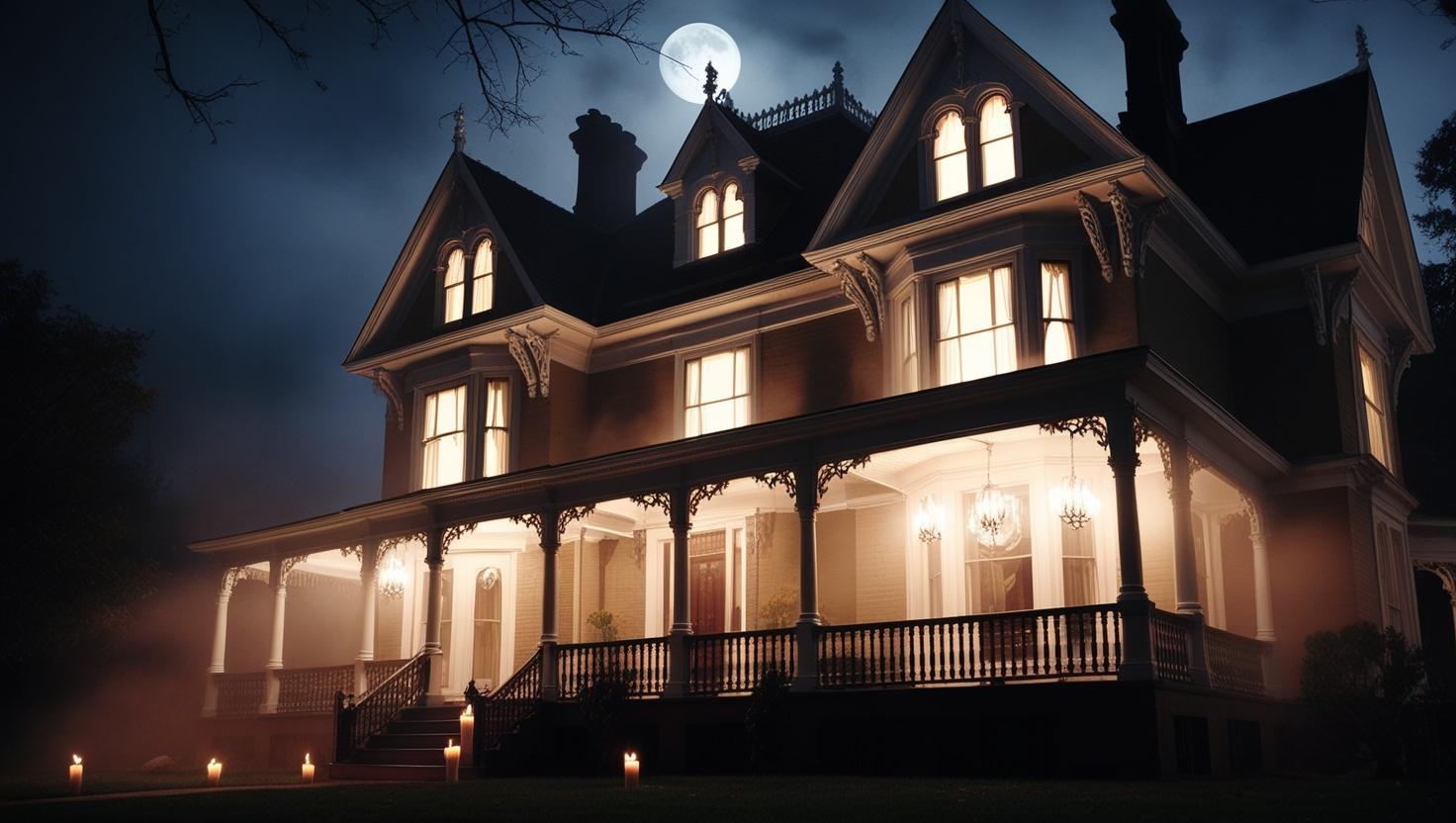
Buying a house can be thrilling—and sometimes a little spooky—especially when you start learning about “stigmatized” properties and what sellers are (and aren’t) required to share. Here’s a light-hearted but factual look at how Indiana handles these unique real estate situations.
A stigmatized property is one that carries a reputation beyond its physical condition—often due to something that happened there in the past. While these homes can sometimes come with a lower price tag, it’s important to understand the background before you buy.
Haunted Houses: Some homes are rumored to be haunted—usually a matter of local folklore rather than fact. These stories can make a property more memorable, even if not everyone believes in ghosts.
Homes Linked to Past Events: Properties associated with publicized events, such as crimes or accidents, can develop a stigma. Some buyers avoid them, while others see a chance for a discount or a unique story.
Famous Former Residents: A previous owner who gained local or national attention can shape how people perceive a home—sometimes for better, sometimes not.
In Indiana, sellers must be transparent about known material defects that could affect a property’s value or safety. The goal is to help buyers make informed decisions.
Disclosure Form: Sellers complete a Residential Real Estate Sales Disclosure Form outlining any known material defects in the structure, systems, or major components.
Material Defects: These include issues such as foundation movement, roof leaks, or plumbing failures—anything that impacts the property’s condition or livability.
Stigmatized Properties: Indiana law does not require disclosure of non-physical stigmas, such as a prior death, crime, or alleged paranormal activity. Buyers concerned about such matters should ask specific questions or research independently.
Do Your Homework: Use public records, local archives, and online searches to learn about a property’s past.
Ask Questions: While sellers and agents may not be required to share certain stigmas, they can often clarify known facts.
Stay Objective: Focus on the home’s condition, value, and fit for your lifestyle rather than rumors or history that can’t be verified.
Consult Professionals: For detailed guidance, speak with your real estate professional or an attorney familiar with Indiana property law.
Buying a home with an unusual backstory can be a fun adventure if you know what to expect. By understanding Indiana’s disclosure rules and doing some detective work of your own, you can make confident decisions—and maybe even end up with a great deal on a home that comes with a tale or two.
Disclaimer: This article is for general informational purposes only and should not be considered legal advice. Buyers and sellers should consult a qualified attorney or licensed professional regarding their specific situation.
Sources:

Real Estate is a complex business, but the process of buying or selling a home shouldn’t be. At HUFF Realty, I am supported by a company that understands the customer’s needs in our dynami....
Wrapping Up the Year: Why December Can Be a Great Time to SellMany homeowners assume December is a slow month for real estate, but the truth is—serious buyers never take the holidays off. With
Spooky Truths About Buying a HouseFun Insights on Stigmatized Properties and Disclosure Laws in IndianaBuying a house can be thrilling—and sometimes a little spooky—especially when you
Is It Time to Downsize? Signs You’re Ready for a Smaller HomeDeciding to downsize your home is a significant step that can lead to a simpler, more manageable lifestyle. This guide will help
How to Invest in Real Estate: Beginner’s GuideInvesting in real estate can be a rewarding way to build wealth and achieve financial independence. This guide will walk you through the essential
 The data relating to real estate for sale on this web site comes
in part from the Broker Reciprocity™ program of the Multiple
Listing Service of Greater Cincinnati. Real estate listings held by
brokerage firms other than Lawrenceburg are marked with the MLS ™ logo
(the small logo to the left) and detailed information about them includes
the name of the listing brokers. The information herein is furnished by the property owner in good faith
but is subject to verification by the purchaser. Neither the MLS, the Broker,
the Agent nor MFM guarantee or warranty the correctness therein.
All information is dated and is subject to change at any time.
This data is up-to-date as of September 27, 2026 2:37 AM UTC.
Copyright 2026, MLS of Greater Cincinnati, Inc. All rights reserved.
Show More...
The data relating to real estate for sale on this web site comes
in part from the Broker Reciprocity™ program of the Multiple
Listing Service of Greater Cincinnati. Real estate listings held by
brokerage firms other than Lawrenceburg are marked with the MLS ™ logo
(the small logo to the left) and detailed information about them includes
the name of the listing brokers. The information herein is furnished by the property owner in good faith
but is subject to verification by the purchaser. Neither the MLS, the Broker,
the Agent nor MFM guarantee or warranty the correctness therein.
All information is dated and is subject to change at any time.
This data is up-to-date as of September 27, 2026 2:37 AM UTC.
Copyright 2026, MLS of Greater Cincinnati, Inc. All rights reserved.
Show More...
 All information deemed reliable but not guaranteed and should be independently verified. All properties are subject to prior sale, change or withdrawl. Neither listing broker(s) nor SE IN BD REALTORS shall be held responsible for typographical errors, misinformation, misprints and shall be held totally harmless.
